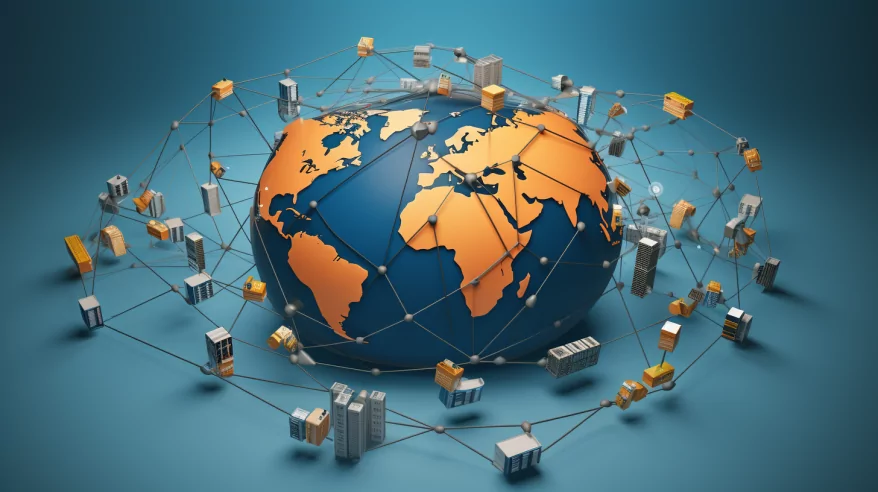














In the global economy of 2026, a brand is more than a name, a logo or a memorable slogan. It is the identity a business builds, the expectations it creates and the experience it delivers across markets.
For companies operating across borders, branding has become a strategic business function. It influences how customers discover products, how partners assess credibility and how businesses distinguish themselves in crowded markets. As digital commerce expands and consumers encounter businesses from around the world, a recognizable and trusted brand can become a valuable bridge between a company and its next market.
But building a global brand is not simply a matter of making a business visible everywhere. It requires understanding people, respecting local markets and consistently delivering on what the brand promises.
From Recognition to Reputation
A strong brand begins with a clear identity.
Customers need to understand what a business stands for, what it offers and why it deserves their attention. This identity is expressed through visual design, communication, product quality, customer service and the values that guide the organization.
For a company entering a new market, this consistency can create familiarity before a customer has even made a purchase. A well-presented website, professional packaging, clear communication and reliable service all contribute to the impression of the business.
Yet recognition alone does not guarantee success. A familiar name can attract attention, but the experience that follows determines whether that attention develops into trust.
This is particularly important for businesses from emerging markets seeking international opportunities. A company may offer competitive products and valuable expertise, but its ability to communicate professionalism and reliability can influence how international customers, distributors and suppliers perceive it.
In this sense, branding is not merely a marketing expense. It is part of the commercial foundation of a business.
One Brand, Many Markets
Global expansion presents a difficult balance: businesses must remain recognizable while becoming relevant to different audiences.
A message that works in one country may not carry the same meaning in another. Differences in language, cultural expectations, purchasing habits, income levels and business practices can all influence how a brand is received.
Successful international businesses therefore distinguish between the elements of their identity that should remain consistent and those that need local adaptation.
A company’s purpose, quality standards and core values may remain the same across markets. Its advertising language, product presentation, customer support and distribution approach, however, may need to reflect local realities.
Consider a business expanding from Ethiopia into other African markets. Its reputation for quality and service may provide a foundation, but understanding the expectations of customers in Kenya, Rwanda, Nigeria or another destination is equally important. Market knowledge must accompany brand ambition.
Cultural sensitivity is not simply about avoiding mistakes in translation. It is about understanding the people a business hopes to serve.
Trust Is Built Through Delivery
In an environment where customers have access to countless alternatives, trust can become one of a brand’s most important assets.
A company may attract attention through advertising, but long-term relationships are shaped by what happens after the sale. Are products delivered as promised? Is customer information handled responsibly? Are complaints addressed? Does the company communicate honestly when problems arise?
These questions matter across industries, from retail and e-commerce to professional services, manufacturing and international trade.
For business-to-business companies, trust can be even more consequential. Buyers may need confidence in a supplier’s technical capabilities, financial reliability, after-sales support and ability to maintain consistent quality over time.
A strong brand helps communicate these qualities, but it cannot replace them.
The growing importance of transparency and responsible business practices also means that companies must pay attention to how their actions are perceived. Environmental claims, social commitments and ethical statements carry greater weight when they are supported by evidence and reflected in actual operations.
A brand’s reputation is built not only by what a company says, but also by what it does.
The Digital Brand Is the Business Front Door
For many customers, the first interaction with a company now takes place online.
A search result, social media page, website, product listing or digital advertisement may shape a customer’s first impression before any direct conversation occurs. This makes digital branding an essential part of international market development.
Businesses seeking global customers need more than an attractive online presence. They need a consistent experience across the channels where their audiences interact with them.
This includes:
- A clear and professional website.
- Consistent visual identity across digital platforms.
- Useful and accurate product information.
- Responsive communication and customer support.
- Secure and convenient purchasing processes.
- Content that demonstrates expertise and credibility.
Digital platforms also allow smaller businesses to reach audiences that were once difficult to access. A specialized Ethiopian manufacturer, technology company or professional service provider can present its capabilities to customers beyond its home market without immediately establishing a physical presence in every country.
However, digital visibility brings new responsibilities. Customer reviews, online complaints, misinformation and inconsistent communication can influence reputation quickly. Businesses need systems for monitoring their digital presence and responding constructively when issues arise.
The challenge is no longer simply to be seen. It is to remain credible wherever customers encounter the brand.
Technology Is Changing How Brands Connect
The development of artificial intelligence, digital commerce and increasingly personalized customer experiences is reshaping the relationship between businesses and consumers.
AI-supported tools can help companies analyze customer preferences, produce marketing content, improve service and communicate with audiences in different languages. E-commerce platforms can make products accessible across borders, while digital analytics can provide insight into how customers discover and interact with a brand.
These developments create opportunities, particularly for smaller companies with limited marketing budgets.
Yet technology does not remove the need for strategy. Automated content that lacks accuracy or a human understanding of the audience can weaken trust. A business that relies too heavily on generic messaging may also struggle to distinguish itself from competitors.
The most effective approach is to use technology to improve relevance and efficiency while preserving the human qualities that make a brand meaningful: clarity, empathy, originality and accountability.
The Challenge of Standing Out
Global markets are increasingly competitive. Businesses do not compete only with companies in their own cities or countries; digital platforms can place them alongside suppliers and brands from across the world.
This makes differentiation essential.
A company must be able to answer a fundamental question: What makes us valuable to the customer?
The answer may involve product quality, specialized expertise, affordability, innovation, service, reliability or a distinctive understanding of a particular market.
For African businesses, this question is especially significant as regional trade and international commercial relationships continue to develop. Strong branding can help companies communicate their capabilities to prospective customers, distributors, investors and international partners.
But differentiation must be credible. A business that presents itself as a premium supplier must deliver a premium experience. A company that promises fast service must have the operational capacity to support that promise.
Brand strategy and business strategy cannot operate in isolation.
A Strong Brand Needs a Strong Business Behind It
The most attractive brand identity cannot compensate indefinitely for poor operations.
Marketing may bring customers to the door, but procurement, logistics, finance, customer service and product quality determine whether the business can meet expectations.
This is why companies expanding internationally need to connect branding with their wider commercial systems.
A business entering a new market should understand its target customers, assess competitors, establish reliable supply arrangements, evaluate regulatory requirements and determine whether its financial resources can support the expansion.
It should also consider how its brand will be represented by distributors, agents and other partners. In international commerce, a company’s reputation can be influenced by the organizations that represent it.
Consistency therefore requires coordination across the entire business.
What Global Branding Means for African Businesses
For businesses in Ethiopia and across Africa, global branding offers an opportunity to move beyond competing primarily on price.
A well-positioned company can communicate its technical expertise, local market knowledge, product quality and ability to serve international customers. This can be particularly valuable in sectors such as manufacturing, technology, scientific equipment, agriculture, professional services and trade.
The opportunity is not limited to large corporations. Smaller and growing businesses can also develop recognizable brands by focusing on a clear market position and delivering consistently.
A company does not need to operate in every country to think globally. It needs to understand the markets it serves, build relationships that support growth and communicate its value with confidence.
International expansion should begin with a realistic assessment of capability. A brand can open conversations, but operational readiness helps turn those conversations into sustainable business.
The Future Belongs to Brands That Deliver
As businesses navigate the global economy in 2026, branding is becoming increasingly connected to trust, technology, customer experience and commercial performance.
The strongest brands will not necessarily be those with the loudest advertising or the most elaborate visual identities. They will be businesses that understand their customers, communicate clearly, adapt intelligently and deliver on their promises.
For entrepreneurs and business leaders, the message is straightforward: build a brand that people can recognize, understand and trust.
Because in global commerce, a brand is not simply how a business presents itself to the world. It is how the world comes to understand the business.
=====/////=====